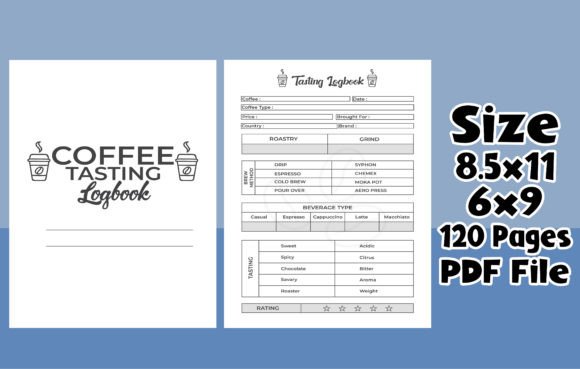
Coffee Tasting Logbook Design: A Comprehensive Guide
For coffee enthusiasts, baristas, and professionals in the food and beverage industry, a well-designed coffee tasting logbook can be an essential tool. Whether you're evaluating a new brew or keeping track of your daily coffee experiences, a Coffee Tasting Logbook Design offers structure, clarity, and consistency. This article explores the purpose, features, and value of such a logbook, along with its practical applications and benefits.
What is a Coffee Tasting Logbook?
A Coffee Tasting Logbook is a structured document used to record details about coffee samples, including aroma, flavor, texture, and overall impression. It serves as a reference for both casual drinkers and professionals who want to refine their palate and understand the nuances of different beans and brewing methods.
The design of the logbook plays a crucial role in its effectiveness. A well-organized Coffee Tasting Logbook Design ensures that users can easily input and retrieve information, making it a valuable resource for consistent evaluation and comparison.
Purpose and Features of a Coffee Tasting Logbook
The primary purpose of a Coffee Tasting Logbook is to provide a systematic way to document and analyze coffee. It helps users identify patterns, preferences, and quality indicators across various coffee types. Here are some key features that define a good Coffee Tasting Logbook Design:
- Consistent Layout: A clear and uniform format allows for easy data entry and review.
- Customizable Sections: Users can add notes, ratings, and observations based on their personal preferences or professional requirements.
- Visual Elements: Charts, graphs, or color-coded sections can enhance the user experience and make data interpretation more intuitive.
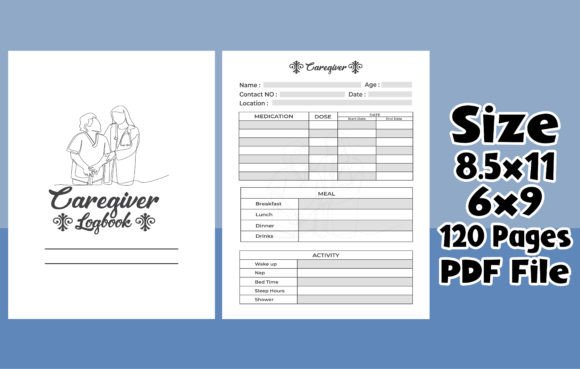
- Portability: A compact size, such as 6 x 9 inches, makes it easy to carry around during tastings or fieldwork.
Who Benefits from a Coffee Tasting Logbook?
The Coffee Tasting Logbook Design is useful for a wide range of individuals and businesses. Here are some groups that can benefit from using one:
- Coffee Professionals: Baristas, roasters, and café owners can use the logbook to maintain quality standards and track customer feedback.
- Home Brewers: Enthusiasts who enjoy experimenting with different brewing techniques can document their results and improve their skills over time.
- Food and Beverage Educators: Instructors can use the logbook to teach students about coffee characteristics and sensory evaluation.
- Researchers and Analysts: Those involved in coffee-related studies may find the logbook helpful for collecting and organizing data.
Applications of a Coffee Tasting Logbook
The versatility of a Coffee Tasting Logbook Design makes it suitable for various scenarios. Here are a few examples of how it can be applied:
- Sample Evaluation: When testing new coffee blends or seasonal varieties, the logbook provides a structured way to compare flavors and textures.
- Customer Feedback: Businesses can use the logbook to gather insights from customers, helping them tailor their offerings to meet consumer preferences.
- Training and Development: Employees can learn to identify specific taste profiles and improve their ability to assess coffee quality.
- Personal Improvement: Individuals can track their progress in developing a refined palate and understanding different coffee origins.
Strengths and Considerations
The Coffee Tasting Logbook Design offers several advantages, but it's important to consider its limitations as well. One of its main strengths is its ability to promote consistency and objectivity in coffee evaluations. By following a standardized format, users can ensure that their assessments are reliable and repeatable.
However, the effectiveness of the logbook depends on the user's engagement and attention to detail. If not filled out thoroughly, it may not provide meaningful insights. Additionally, while a digital version can offer flexibility, a physical logbook like the one described here (with 120 pages and an intro page) provides a tactile experience that many users prefer.
Design and Format Options
The Coffee Tasting Logbook Design comes in multiple formats to suit different needs. The file is available in PDF, making it easy to download, print, or upload to platforms like Amazon KDP. The dimensions include 8.5 x 11 inches and 6 x 9 inches, allowing users to choose the size that best fits their workflow.
It’s also worth noting that the interior of the logbook is designed with bleed, which means it’s ready for high-quality printing. This feature ensures that the final product looks professional and polished, whether it’s intended for personal use or commercial distribution.
Using the Logbook for Business and Personal Projects
For business owners, the Coffee Tasting Logbook Design can be a powerful tool for maintaining product quality and customer satisfaction. By consistently evaluating their offerings, they can identify areas for improvement and stay ahead of market trends.
On a personal level, the logbook can help individuals explore their coffee preferences and develop a deeper appreciation for the craft. Whether you’re a seasoned connoisseur or just starting out, a well-designed Coffee Tasting Logbook can enhance your coffee journey.
Final Thoughts on Coffee Tasting Logbook Design
In conclusion, a Coffee Tasting Logbook Design is more than just a notebook—it’s a valuable resource for anyone interested in coffee. Its structured approach, customizable features, and portability make it a practical choice for both professionals and enthusiasts. With a tested layout and ready-to-upload file options, it’s an excellent investment for those looking to elevate their coffee experience.
Whether you’re planning to use it for personal growth, business development, or educational purposes, the Coffee Tasting Logbook Design offers a reliable and effective way to document and analyze your coffee tastings. By incorporating this tool into your routine, you’ll gain greater insight into the world of coffee and enjoy a more informed and rewarding experience.