2025 Sewing Planner: A Comprehensive Tool for Creative and Professional Use
The 2025 Sewing Planner is a meticulously designed resource that supports both hobbyists and professionals in organizing their sewing projects, tracking progress, and maintaining efficiency throughout the year. Whether you're a small business owner, a DIY enthusiast, or a creative professional, this planner offers a structured approach to managing your sewing workflow, from initial ideas to final execution.
Understanding the Role of the 2025 Sewing Planner
The 2025 Sewing Planner serves as a central hub for all aspects of your sewing activities. It integrates monthly planning, fabric inventory, budget tracking, and project management into one cohesive system. This tool fits seamlessly into broader workflows by helping users stay organized, focused, and productive across multiple tasks and goals.
For instance, before starting a new project, the planner can help you outline materials needed, set deadlines, and track expenses. During the project, it allows for notes on alterations, measurements, and design sketches. After completion, it provides a space to reflect on accomplishments, document lessons learned, and plan future endeavors.
Key Features and Customization Options
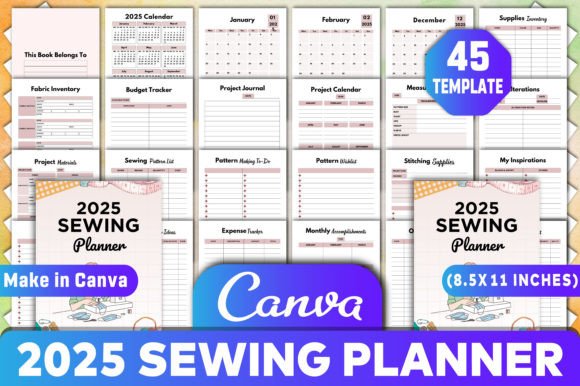
The 2025 Sewing Planner comes with a wide range of customizable features, ensuring it meets the unique needs of each user. With 45 Canva templates, you have the flexibility to personalize your planner according to your preferences. The file is available in multiple formats—PDF, JPG, and PNG—making it easy to print, share, or edit as needed.
Each template is designed to be 100% editable, allowing you to add your own content, adjust layouts, and tailor the planner to your specific requirements. The high-quality resolution of 300 DPI ensures that printed versions maintain clarity and professionalism, whether for personal use or commercial purposes.
Integration with Other Tools and Resources
The 2025 Sewing Planner works well alongside other tools and resources that support the creative process. For example, it can complement digital design software, pattern-making tools, and inventory management systems. By combining these elements, users can create a more streamlined workflow that enhances productivity and reduces errors.
Additionally, the planner includes sections for tracking online purchases, shopping lists, and supplies inventory, which can be integrated with e-commerce platforms or personal finance apps. This integration helps users maintain a clear overview of their spending and ensure they always have the necessary materials on hand.
Practical Implementation Tips
To get the most out of the 2025 Sewing Planner, consider the following implementation tips:
- Start with a Project Overview: Begin each month by outlining your main sewing goals, key projects, and any upcoming events that may impact your schedule.
- Track Expenses and Budgets: Use the budget tracker to monitor costs associated with fabrics, patterns, and supplies. This helps prevent overspending and ensures financial control.
- Document Inspirations and Ideas: Keep a dedicated section for collecting design inspiration, fabric swatches, and sketch ideas. This can serve as a reference when planning new projects.
- Update Regularly: Make it a habit to update the planner daily or weekly to keep your information current and relevant.
- Review and Reflect: At the end of each month, take time to review what worked well and what could be improved. This reflection helps refine your processes and improve future outcomes.
Workflow Examples and Use Cases
The 2025 Sewing Planner can be applied in various scenarios, depending on your role and objectives. Here are a few examples:
- For Small Business Owners: Use the planner to manage inventory, track client orders, and plan production schedules. The expense tracker and shopping list features help maintain profitability and ensure timely delivery of products.
- For Hobbyists: Keep a record of personal projects, note progress, and plan future creations. The project journal and design sketch sections allow for creative expression and documentation.
- For Educators and Bloggers: Track content creation, plan blog posts, and organize video ideas. The planner can also serve as a resource for teaching sewing techniques or sharing project tutorials.
- For Entrepreneurs: Monitor business goals, set milestones, and evaluate performance. The monthly accomplishments section helps measure progress and identify areas for growth.
Ensuring Consistency and Long-Term Use
To maintain consistency and maximize the long-term value of the 2025 Sewing Planner, consider the following strategies:
- Establish a Routine: Set aside specific times each week to update and review the planner. This helps build a habit and ensures that the planner remains an active part of your workflow.
- Customize for Relevance: Adjust the planner to match your specific needs and preferences. This increases engagement and makes the tool more effective over time.
- Combine with Digital Tools: Use the planner in conjunction with digital calendars, task managers, or cloud storage solutions. This creates a hybrid system that combines the benefits of physical and digital organization.
- Share and Collaborate: If working with others, use the planner as a shared resource to align goals, track progress, and foster collaboration.
Conclusion: Enhancing Your Sewing Experience
The 2025 Sewing Planner is more than just a tool—it's a comprehensive system designed to enhance your creative and professional sewing experience. By integrating this planner into your routine, you can improve organization, boost productivity, and achieve better results in your projects. With its customizable features, high-quality design, and practical layout, the 2025 Sewing Planner is a valuable asset for anyone passionate about sewing and creative work.