52-Week Mental Health Journal Prompts: A Comprehensive Guide to Personal Growth and Well-Being
Keeping track of your mental health can be a powerful tool for self-awareness and personal development. A 52-Week Mental Health Journal Prompts offers a structured way to reflect on your thoughts, emotions, and experiences throughout the year. These prompts are designed to encourage mindfulness, emotional processing, and long-term growth. Whether you're looking to improve your mental well-being or simply want a creative outlet, a 52-week journal can be an invaluable resource.
Understanding the Value of a 52-Week Mental Health Journal
A 52-Week Mental Health Journal Prompts is more than just a collection of questions—it’s a roadmap for exploring your inner world. Each week, you’re guided through a set of reflective exercises that help you examine different aspects of your life. From gratitude practices to goal-setting, these prompts cover a wide range of topics that promote emotional resilience and clarity.
One of the key benefits of using a 52-week journal is the consistency it brings to your mental health routine. By committing to daily or weekly reflections, you create a habit of self-assessment that can lead to lasting change. Over time, you’ll begin to notice patterns in your thoughts and behaviors, which can be incredibly insightful.
What Makes a Good 52-Week Mental Health Journal?
When choosing a 52-Week Mental Health Journal Prompts, there are several factors to consider. First, look for a journal that offers a variety of prompts to keep your reflections fresh and engaging. A good journal should include prompts related to self-care, emotional regulation, personal goals, and daily reflections.
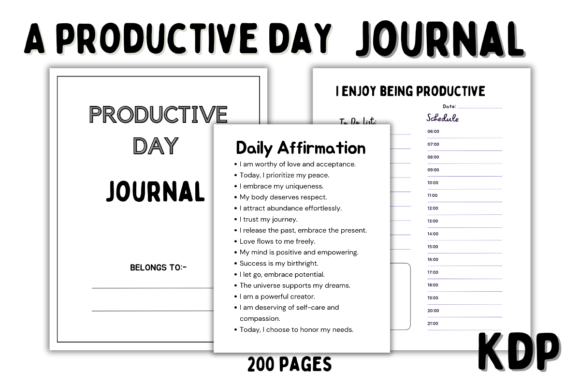
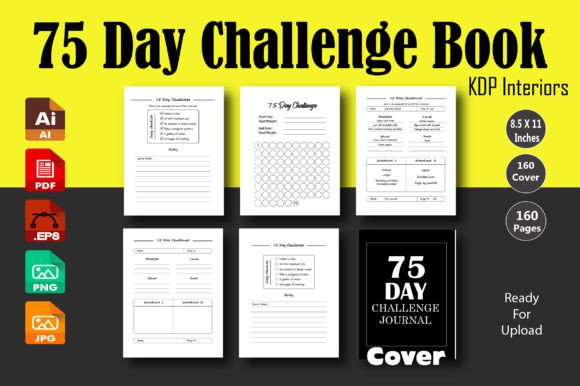
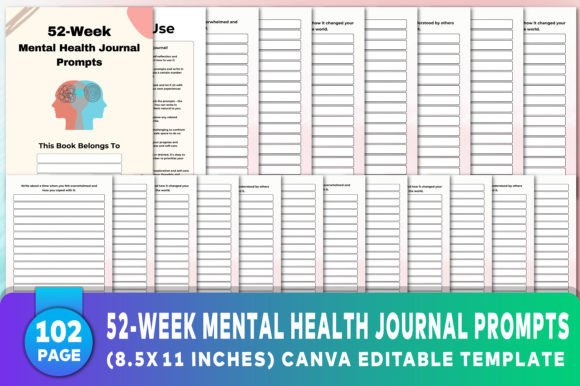
Another important feature is the format. Many people prefer a print-ready KDP interior that can be easily customized and printed. This allows for a personalized experience, whether you’re using the journal for professional purposes or casual reflection. The ability to edit and rearrange prompts ensures that the journal can adapt to your unique needs and preferences.
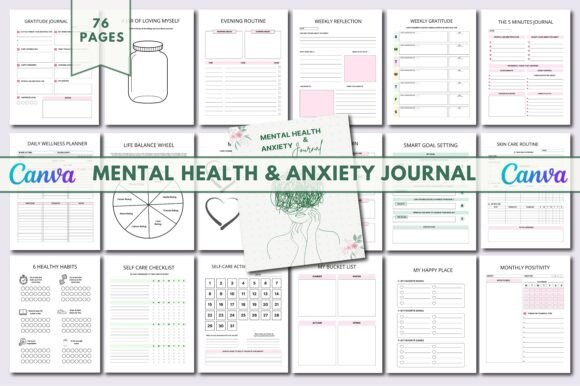
The editable Canva template is another valuable asset. With a Canva template, you can design your journal to match your style, add images, or even incorporate motivational quotes. This level of customization makes the journal not only functional but also visually appealing.
How to Use a 52-Week Mental Health Journal Effectively
To get the most out of your 52-Week Mental Health Journal Prompts, it’s essential to approach it with intention. Set aside dedicated time each week to reflect on the prompts. This could be as simple as 10–15 minutes before bed or during a quiet moment in the morning.
Some people find it helpful to write in the same space every day, creating a ritual around their journaling practice. Others prefer to use the prompts as a guide rather than a strict schedule. Experiment with different approaches to see what works best for you.
Remember, the goal is not to achieve perfection but to cultivate a deeper understanding of yourself. Even if you don’t feel like writing one week, it’s okay. The act of showing up and reflecting—even briefly—can have a meaningful impact over time.
Benefits of Using a 52-Week Mental Health Journal
There are numerous benefits to incorporating a 52-Week Mental Health Journal Prompts into your routine. One of the most significant is the ability to track progress over time. As you revisit past entries, you may notice how your perspectives have evolved, which can be both motivating and reassuring.
Journaling also provides an outlet for processing difficult emotions. Writing about stress, anxiety, or uncertainty can help you gain clarity and reduce the emotional burden. It’s a safe space to explore your feelings without judgment.
Additionally, a 52-week journal can serve as a source of inspiration. When you’re feeling stuck or unsure of your next steps, reviewing past entries can remind you of your strengths and accomplishments. It can also help you identify areas where you’d like to grow or make changes.
Choosing the Right Format for Your Needs
When selecting a 52-Week Mental Health Journal Prompts, consider the format that best suits your lifestyle. If you prefer a physical journal, look for one that comes with a print-ready KDP interior. This ensures that you can print the pages at home or through a professional service, giving you control over the final product.
If you’re more tech-savvy, an editable Canva template might be a better fit. These templates allow you to customize the layout, add graphics, and even share the journal with others. They’re ideal for those who want a flexible and creative approach to their journaling practice.
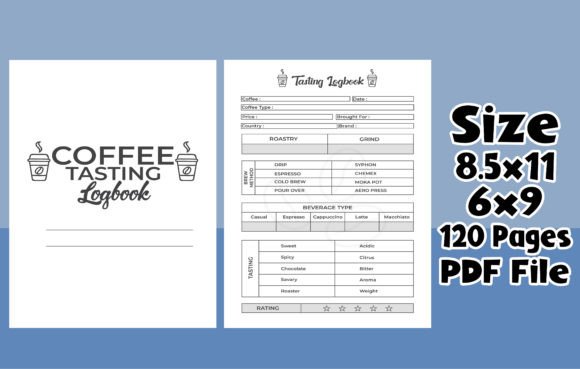
Regardless of the format you choose, make sure it includes all the necessary files. A high-quality PDF file with JPG and PNG formats ensures that you can access and print the journal easily. Look for a template that’s 300 DPI for optimal print quality.
Customizing Your 52-Week Mental Health Journal
One of the greatest advantages of a 52-Week Mental Health Journal Prompts is its customizability. With an original file that’s 100% editable, you can tailor the prompts to suit your specific goals and interests. This flexibility allows you to focus on the areas that matter most to you.
For example, if you’re working on improving your sleep habits, you can add prompts related to bedtime routines and relaxation techniques. If you’re focusing on career growth, you might include questions about your professional aspirations and challenges. The ability to personalize the journal ensures that it remains relevant and useful over time.
Many users also enjoy adding visual elements to their journals. Whether it’s a simple doodle or a collage, incorporating visuals can make the journaling experience more enjoyable and expressive.
Integrating a 52-Week Mental Health Journal into Your Routine
Incorporating a 52-Week Mental Health Journal Prompts into your daily or weekly routine doesn’t have to be complicated. Start by setting a consistent time for journaling, such as after dinner or first thing in the morning. This helps establish a habit that’s easy to maintain.
Consider using the journal as part of a larger wellness strategy. Pair it with meditation, exercise, or therapy to create a holistic approach to mental health. The journal can serve as a companion to other self-care practices, reinforcing positive habits and encouraging self-reflection.
Finally, don’t be afraid to experiment. Try different types of prompts, adjust the frequency of your entries, or combine the journal with other tools. The goal is to find a system that works for you and supports your ongoing journey toward well-being.